
Are you twenty-one?
You must be at least 21 years of age to view this site.
You must be at least 21 years of age to view this site.
Cultivators first, operators second. Every move — from mother selection to the seal on the final jar — is built around one stubborn idea: great cannabis can't be rushed, and shouldn't be cooked with gamma rays to cover up sloppy work upstream.
The shorthand version of cultivation is "give it light, water, and food." That's not wrong, exactly. It's also not the part that matters. The part that matters is what you do with what the plant gives back.
Mothers live in a dedicated room with tight environmental controls. Cuts come off on a rolling schedule, root under domes, and get tracked individually. In veg, we hand-top and hand-defoliate — strong stems and even canopies pay dividends six weeks later.
In flower, narrow VPD windows. An obsessive eye on trichome development. Chop on color and clarity, not on a calendar. Then the part nobody Instagrams: a slow dry in a controlled environment and a long cure in sealed glass, burped daily until the terpenes settle and the structure firms up. Nothing leaves until it tastes the way it's supposed to taste.
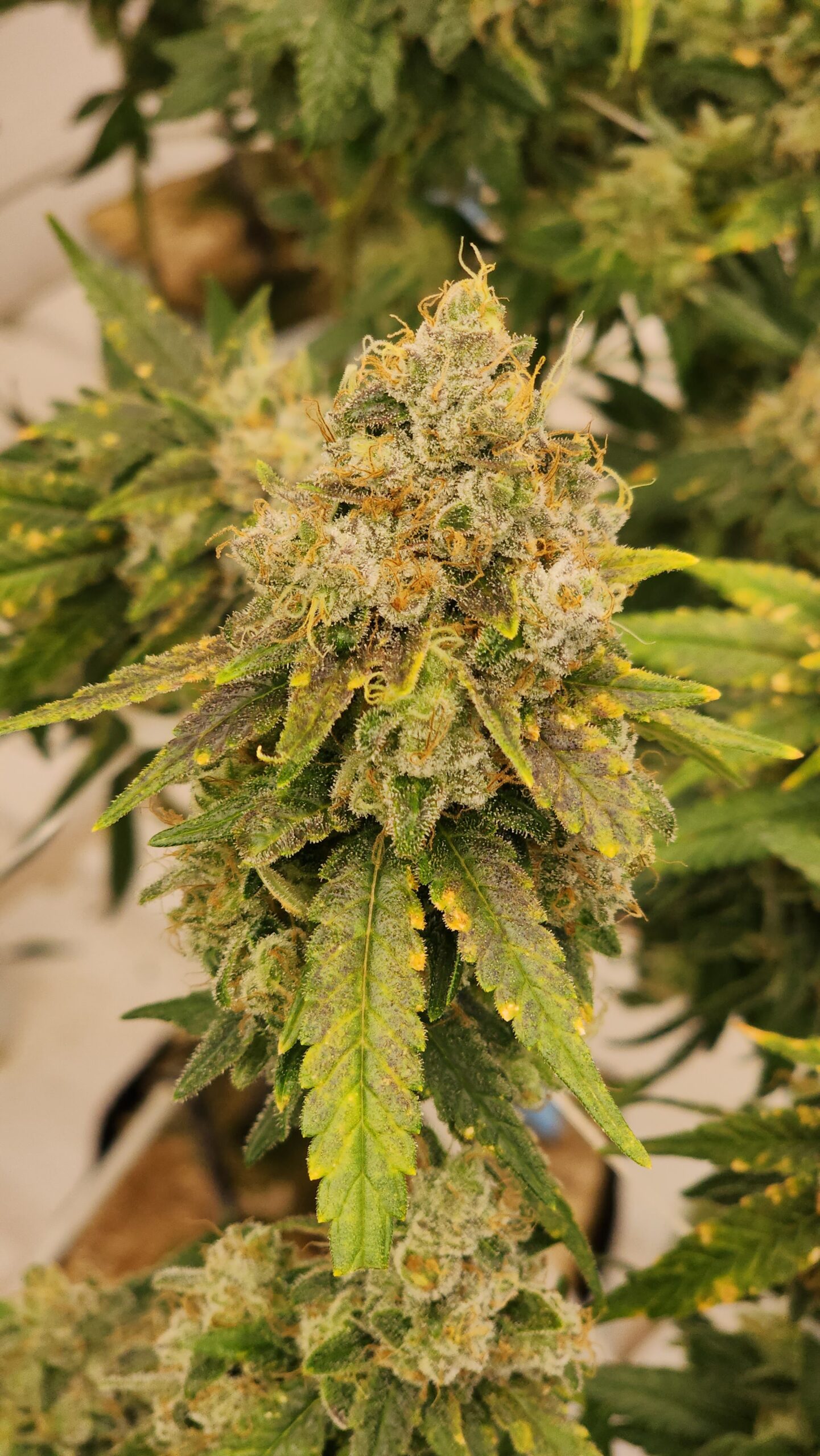
Fifteen to twenty mothers anchor the genetic library. Each clone we take is a direct copy — same terpene profile, same finishing schedule, same flavor. No surprises, no drift between batches.
Hand-topped, hand-defoliated, hand-trained. We don't rush veg — strong stems and even canopies translate directly into yield, structure, and resin six weeks later.
Strain-specific flowering schedules. Narrow VPD windows. Obsessive trichome monitoring. We chop on color and clarity — not on a date on a calendar.
A slow dry-down in a controlled environment, then an extended cure in sealed glass that lets the terpenes settle. Nothing leaves the facility until it tastes the way it should.
"This product has not been radiated. Clean from the start — so it doesn't need to be sterilized at the finish."
The debate centers on three things: safety, quality, and consumer preference. Some jurisdictions require radiation sterilization for medical product. Others — Nevada included — allow non-radiated cannabis under strict in-house QC. Both methods continue to evolve. We've made our choice.
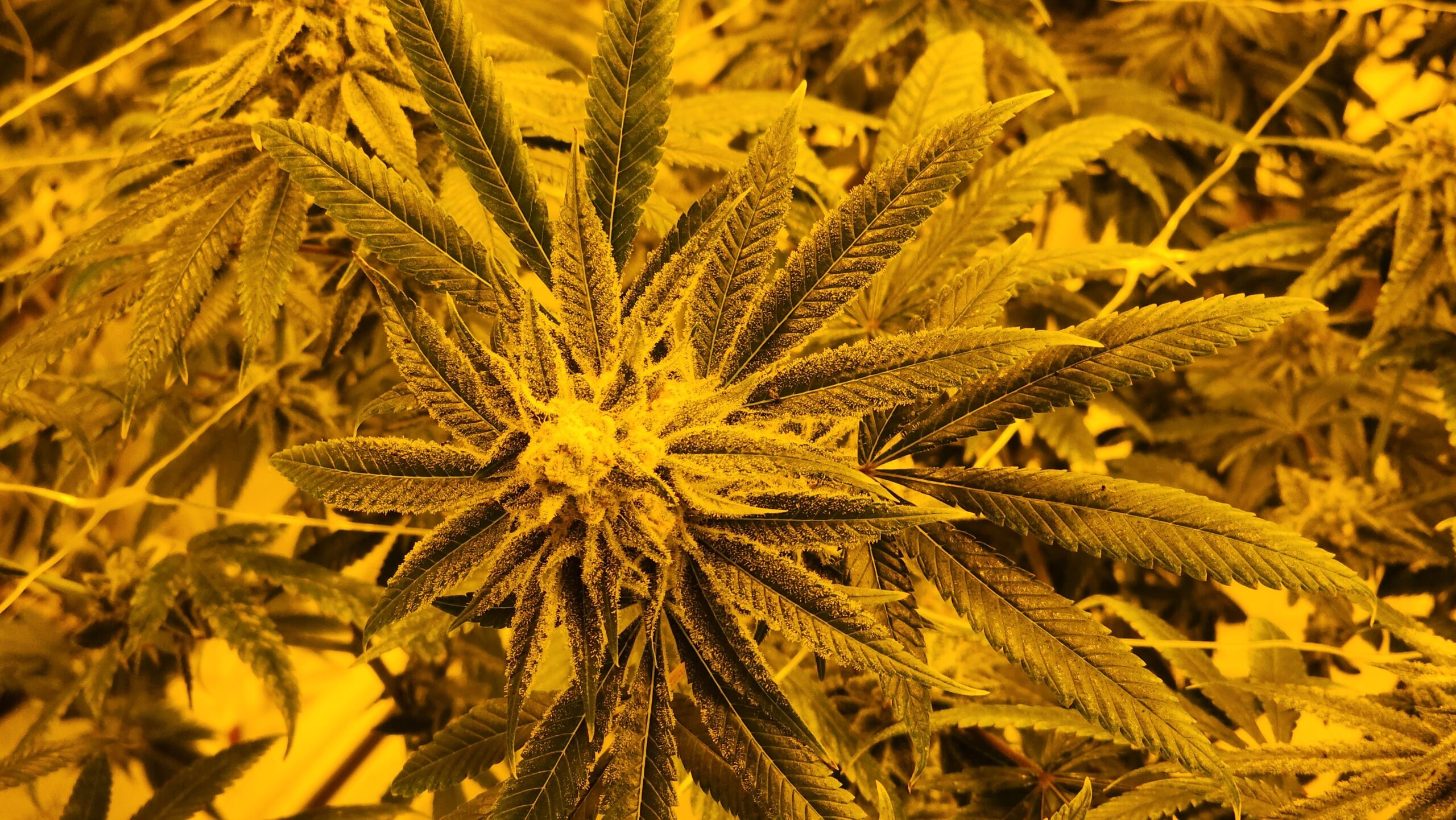
Gamma rays or electron beams kill microbes after harvest. Effective at sterilizing, but can flatten terpene profile and color. Often used to push compromised flower past testing.
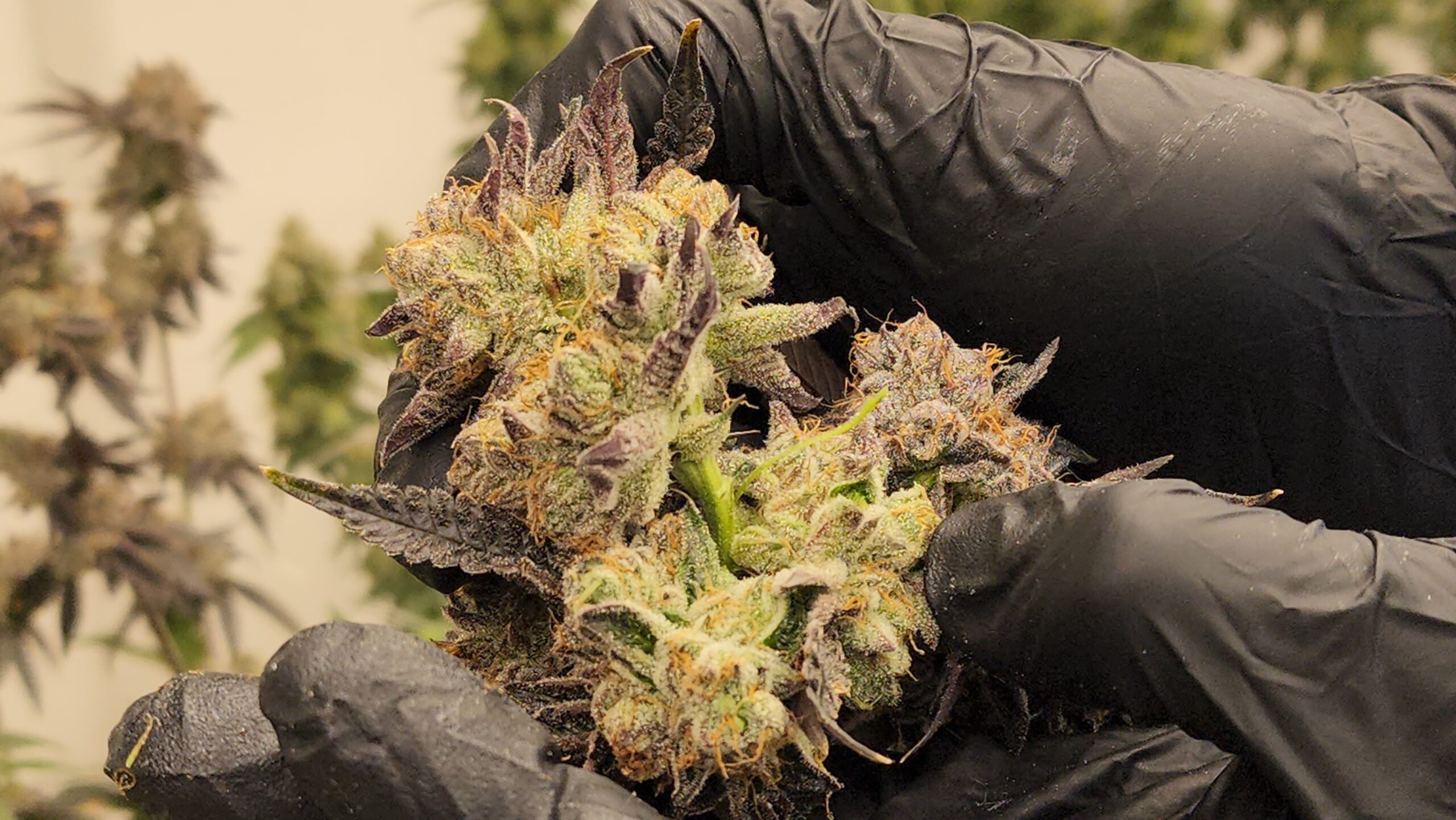
Clean rooms, clean inputs, clean process. Heat pasteurization, ozone treatment, and tight cure protocols handle anything left. Terpene and microbial integrity preserved.
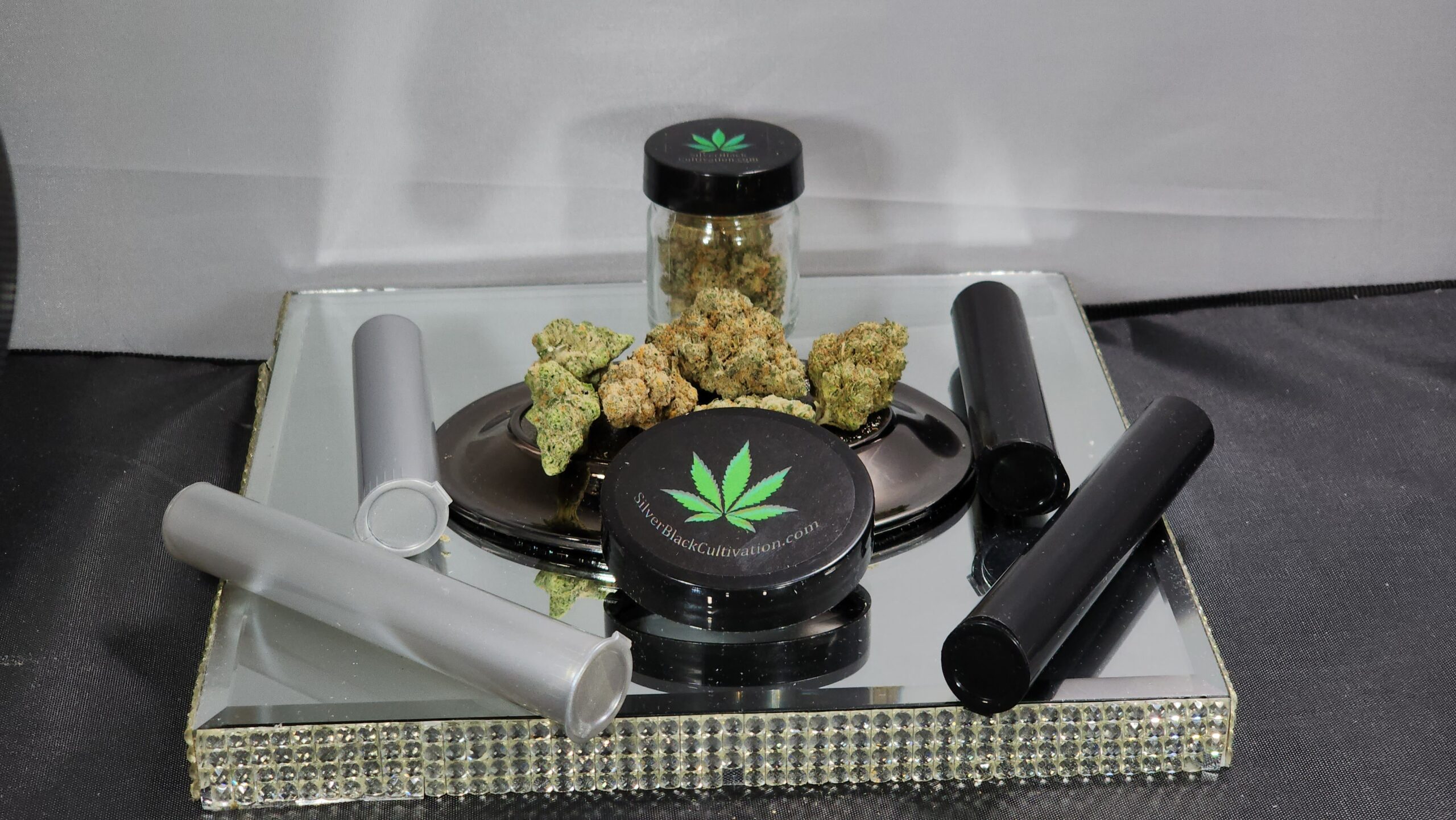
Color where it should be. Terpenes intact. An honest microbial story behind every batch. Most consumers taste the difference the first time they try a side-by-side.
Every plant is touched by a human, not just a sensor. Defoliation, training, and trim happen in real time, not on a spreadsheet. There is no software for a hand check.
Drying is the part most operators rush. We don't. A controlled dry-down followed by an extended cure in sealed glass lets terpenes settle and structure firm up. Tedious, then worth it.
The microbial story of the plant stays intact. Clean rooms, clean inputs, clean process — no gamma rays needed. The terpene profile and color you see is what the plant actually gave.
Every batch is tested for cannabinoid profile, terpene content, residual solvents, pesticides, microbials, and heavy metals before it leaves the facility. The paperwork backs up the room.
Every Silver Black batch comes off our canopy and lands on the shelf at one of our family dispensaries. Pop in and ask the budtender for the freshest cut.
Find A Dispensary →